Metaverse, immersive experience, commerce anywhere, multiple payment systems, cryptocurrencies, drone delivery system and the like, are topics that, surely, must be inspiring many retailers. A good part of them enhanced the last NRF (National Retail Federation), the largest retail trends fair in the world, which takes place every year in New York. Certainly, these are innovations that have already impacted and will continue to disruptively impact retail in the coming years.
It is undeniable that those who work in retail need to be aware of them. Many, even, are already beginning to emerge here and there. Some brands stand out in this regard. Lacta, for example, launched a 3D, immersive 3600 virtual store at Christmas, with an eye on the metaverse concept, and is repeating the dose at Easter due to the good results. In winter, Aramis will launch its first phygital jacket (physical and digital), with electronic temperature control, which will be the company’s first digital product in NFT (non-fungible token). Wing, an Alphabet drone service, claims to have reached the milestone of 200,000 commercial deliveries in Australia. Foxbit Pay already offers cryptocurrency payment solutions.
Retail Innovation Means Nothing Without Product Availability
However, every company must be aware of other issues that may compromise the success of these initiatives. Just as important as implementing technological structures that contribute to improving the shopping experience, is minimizing the risk of the customer not finding the product he wants at the point of sale. Every effort made to attract the customer’s attention, and arouse interest in the purchase, cannot end in frustration because the product he is looking for has not been exposed or available, due to a rupture caused by a failure in inventory management, for example.
The Importance of Inventory Management in Modern Retail
Innovation is very important, as is being aware of trends, but we cannot neglect what is the essence of retail: having the product available in the right quantity and model, whenever and wherever the consumer needs it. Preferably, in an organized, lit, safe store with a well-trained service team or in a responsive and intuitive digital environment, with a value and shipping term that do not conspire against sales.
Today we have alternatives available on the market that help in this regard and that, in my opinion, can prepare the company to guarantee an optimized and sustainable operation. This is very important to achieve success when we decide to adopt a technological vanguard posture.
Customer Experience Still Starts With Retail Fundamentals
Every technological advance is welcome and must be evaluated according to the characteristics of each company and the value it adds to the business. However, we cannot lose sight of the fact that retail means delivering to the customer what he wants when he wants it. This is critical. It’s not just about losing a sale, it’s about frustrating the customer’s desire to buy, which, worse, can even direct their resources towards the acquisition of the competition. A good presence in Metaverso starts with ensuring an excellent consumer experience in the physical store as well.
FAQs
How do POS system issues affect retail performance?
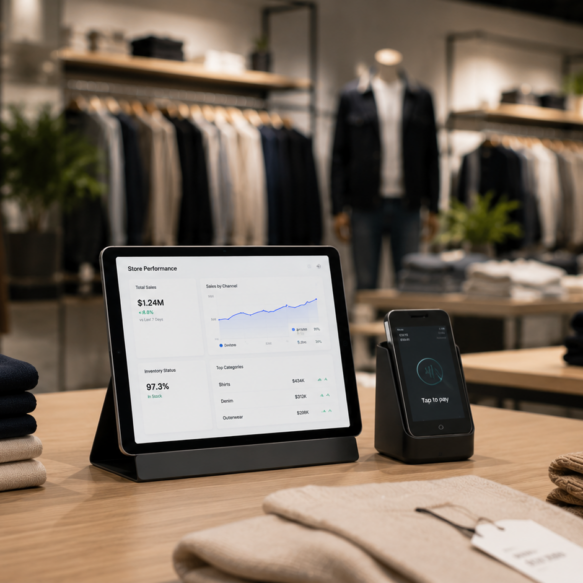
POS system issues can slow down checkout times, create inventory inaccuracies, and impact the customer experience in stores. When retailers rely on disconnected systems or outdated infrastructure, delays at the point of sale can affect both operational efficiency and revenue. Real-time retail systems help retailers improve transaction accuracy and maintain better inventory visibility across locations.
Why is real-time inventory data important at the point of sale?
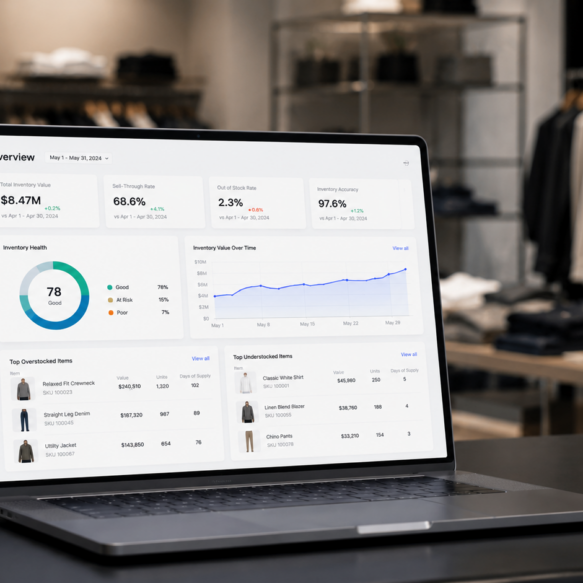
Real-time inventory data helps retailers ensure product availability, improve replenishment decisions, and reduce stock discrepancies between stores and inventory systems. When POS systems are connected to live inventory data, retailers can make faster operational decisions and provide a more reliable shopping experience for customers across channels.
What technologies are retailers prioritizing instead of metaverse investments?
Many retailers are prioritizing operational technologies that directly improve profitability and customer experience, including AI-driven inventory optimization, unified commerce platforms, and real-time retail analytics. These systems help retailers reduce excess inventory, improve sell-through, and support faster decision-making in daily operations.