Special events and seasonal peaks can make or break a business. Whether it’s Black Friday, a holiday rush, or a productive launch, running out of stock at the wrong moment can lead to lost sales, frustrated customers, and missed growth opportunities. On the other hand, overstocking ties up valuable capital and storage space.
The secret to thriving during these high-demand periods isn’t luck; it’s preparation. With the right tools and strategies, you can anticipate customer needs, optimize inventory levels, and ensure your shelves are stocked right. This is where Onebeat comes in, helping businesses plan smarter and sell more during their busiest times.
What Will You Learn
- How to plan inventory strategically for special events and peak periods using data-driven insights.
- Common challenges retailers face during high-demand periods and how to avoid stockouts or overstocking.
- Best practices for proactive inventory management, including forecasting, categorization, and buffer stock.
- How Onebeat’s AI-powered tools help optimize inventory, forecast demand, and keep shelves stocked.
The Importance of Strategic Stocking
Many retailers rely on guesswork when planning for special events, but these methods rarely account for demand fluctuations or changing market trends. Strategic stocking involves analyzing past sales dates, understanding customer behavior, and predicting demand for each product.
For example, a store selling festive decor may sell 2x as many ornaments during the holiday season as at any other time of year. Without historical insight, it’s easy to understock key items or overcommit resources to slow-moving products. Strategic stocking doesn’t just prevent shortages; it ensures that every product has the best chance to sell, reduces waste, and improves cash flow.
Using Data to Align Inventory With Real Demand
Strategic stocking goes beyond intuition by relying on data to accurately match inventory levels with customer demand. By analyzing past sales performance, retailers can identify seasonal patterns, peak periods, and product-specific trends that influence buying behaviour. When this historical insight is combined with an understanding of customer preferences, retailers can forecast more precisely at the SKU level. This data-driven approach allows businesses to stock the right products, in the right quantities, at the right time, reducing stockouts and excess inventory.
Challenges of Planning for Special Events
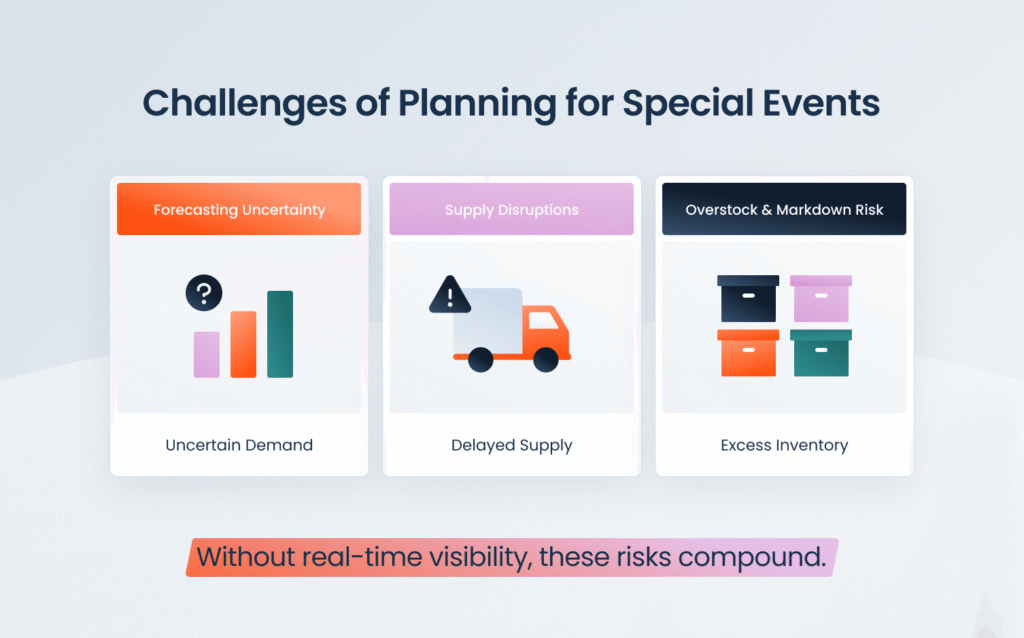
Planning for high-demand periods comes with unique challenges:
- Inaccurate demand forecasting: predicting how much product customers will want can be tricky, especially for new items or seasonal trends.
- Supplier delays and logistics issues: even the best-laid plans can be disrupted if suppliers can’t deliver on time.
- Overstocking risks: buying too much inventory can lead to excess stock, higher storage costs, and markdowns.
Retailers often struggle to strike the right balance between these competing pressures, and without a centralized tool combining forecasting, alerts, and real-time visibility, businesses risk losing both sales and operational efficiency.
5 Best Practices for Stocking for Special Events
To get the most out of Onebeat and your inventory, follow these best practices:
- Start early: analyze previous years’ data and begin planning weeks or months.
- Categorize products by demand: identify top sellers, seasonal items, and slower-moving products.
- Leverage Onebeat insights: use forecasting and alerts to guide ordering decisions and promotional planning.
- Maintain buffer stock: Keep a small reserve of high-demand items to avoid stockouts.
- Monitor trends in real-time: Use Onebeat dashboards to adjust orders dynamically as demand changes.
What are the Common Challenges During Peak Periods?
Inaccurate Forecasting
Predicting customer demand can be challenging, especially for new products or seasonal items. Guesswork often leads to stock imbalance.
Supplier Delays and Logistics Issues
Even with good forecasts, supply chain delays or unexpected logistics issues can derail inventory plans.
Overstocking risks
Buying too much stock ties up cash flow and may result in post-peak markdowns. Proper forecasting is critical to minimize this risk.
How Does Onebeat Solve Stock Challenges During Peak Periods?
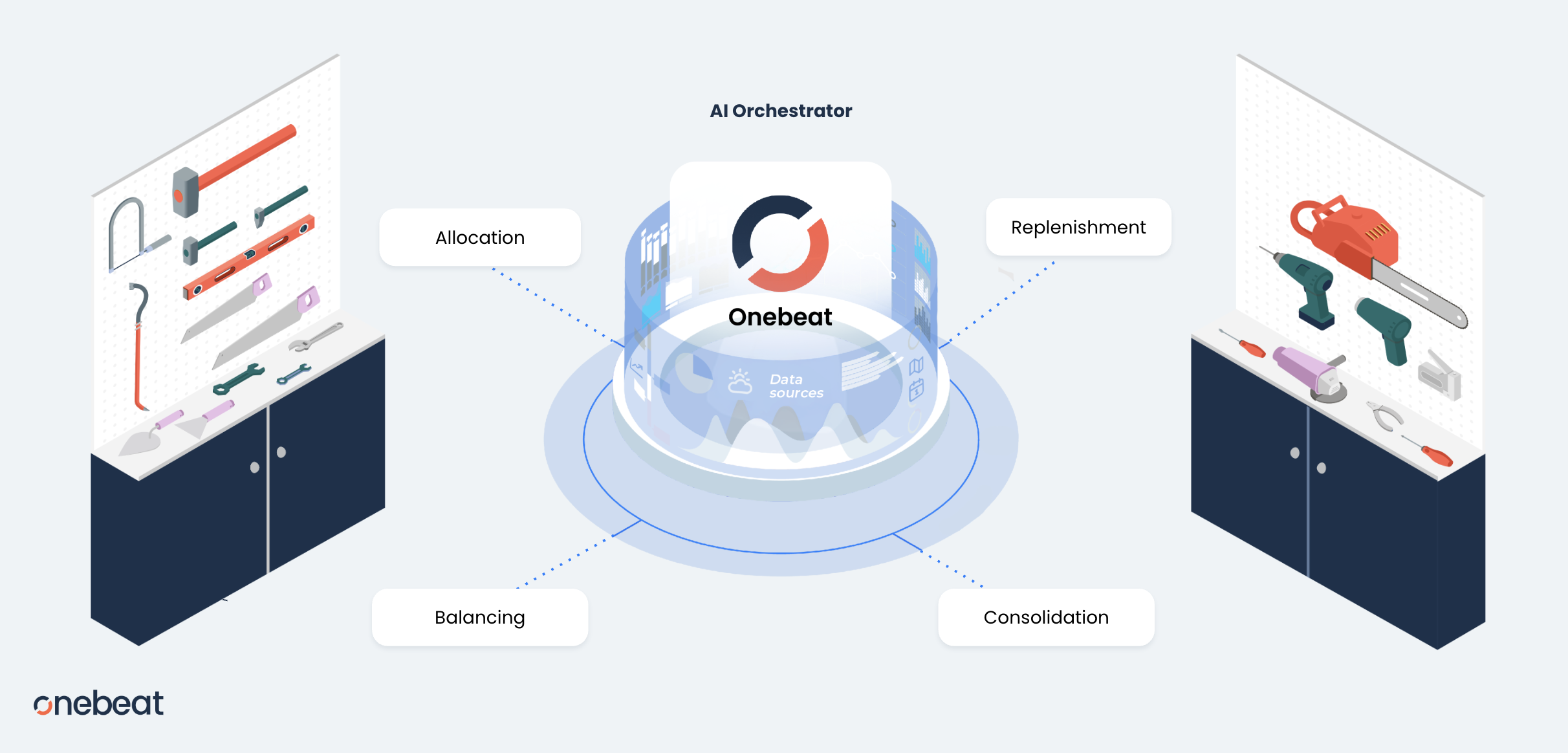
Onebeat helps retailers move from reactive stocking to proactive, event-driven inventory planning by combining AI-powered forecasting with real-time execution. By combining AI-powered demand forecasting with real-time execution, Onebeat helps businesses anticipate peak demand, act early, and stay in control, even during the busiest periods.
Onebeat Key Capabilities Involve:
- Event-aware demand forecasting: Onebeat adjusts forecasts based on historical peak data, seasonality, and real-time sales signals.
- Dynamic replenishment recommendations: Automatically suggests optimal order quantities before and during peak events.
- Early-warning alerts: Flags potential stockouts or overstock risks before they impact sales.
- SKU-level visibility: Enables precise planning for high-impact items instead of blanket ordering.
- Cross-location balancing: Redistributes inventory across stores and warehouses to meet demand where it actually occurs.
Plan ahead, stock smarter, and stay peak-ready with Onebeat’s AI-driven inventory optimization.